Square Enix's Octopath Traveler Switch 2 Editions: A Missed Opportunity for Player Loyalty
The High Cost of Loyalty: Why Square Enix's Latest Release Strategy Disappoints Fans
Square Enix's Anniversary Announcement: A Double-Edged Sword for 'Octopath Traveler' Fans
To commemorate eight years since the series' inception, Square Enix declared that enhanced versions of 'Octopath Traveler 1' and '2' would arrive on the Nintendo Switch 2 this October. While this news initially excited many, the fine print quickly revealed a significant caveat: there are no provisions for free or discounted upgrades for those who already own the games on the original Switch. Adding to the frustration, existing save data from the Switch will not transfer to the new versions, forcing players to restart their lengthy RPG journeys.
Evaluating the Value Proposition: Are 'Octopath Traveler' Switch 2 Editions Worth the Investment?
The new Switch 2 editions are priced at .99 each, with a bundle option available for .99. While the bundle might seem appealing to newcomers, it presents a dilemma for the millions of dedicated fans who have already invested in the series. Given that the 'Octopath Traveler' games have collectively sold over 7 million copies, a large segment of their most loyal players now find themselves with little incentive to repurchase titles they already own, especially at full price.
The Illusion of Improvement: Minimal Upgrades for a Full-Price Relaunch
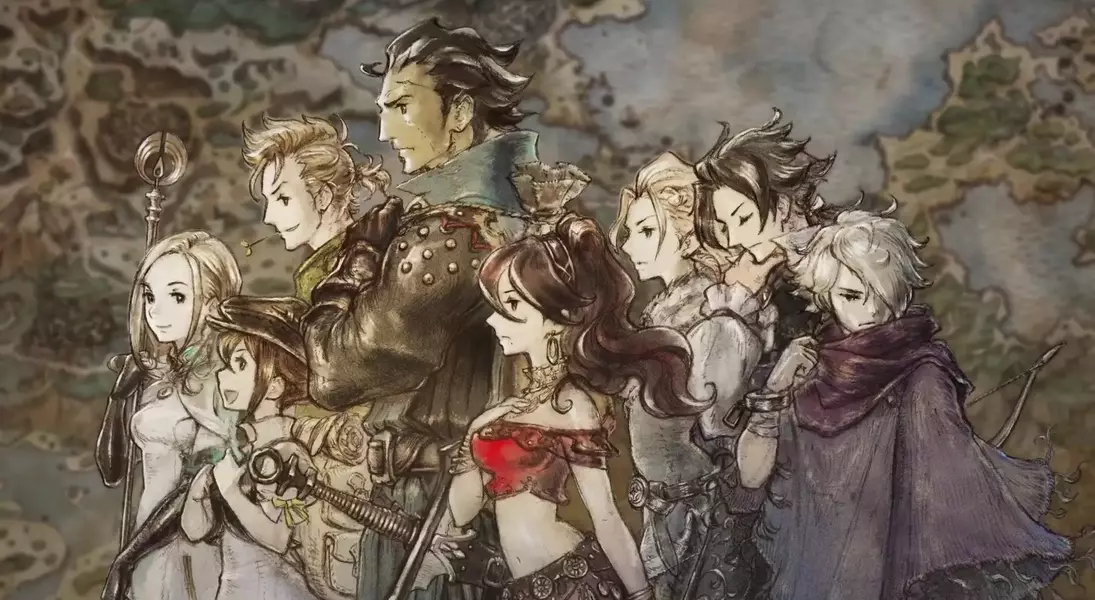
When examining the touted enhancements for the Switch 2 versions, the list is surprisingly brief. Square Enix has indicated that the only notable improvements are increased resolution and smoother frame rates. While these technical upgrades are appreciated by some players, they appear insignificant for a series that already boasts a visually appealing HD-2D aesthetic, which skillfully blends nostalgic pixel art with immersive 3D environments. The games are already known for their striking visual quality, making the supposed graphical uplift less impactful.
Backward Compatibility and Save Data: Eroding the Incentive for Repurchase
A crucial factor undermining the appeal of these new editions is the Switch 2's backward compatibility, which allows existing Switch games to run with improved performance on the new console, often featuring a handheld boost mode. This means current owners can experience better visuals and frame rates without buying new versions. The complete incompatibility of old save data further deters players, as replaying extensive RPGs from the beginning is a considerable commitment that many are unwilling to undertake.
Square Enix's Strategy: A Test of Player Loyalty in a Shifting Industry Landscape
Square Enix's decision-making raises questions about their understanding of consumer expectations. By seemingly prioritizing full-price sales over a more consumer-friendly upgrade path, they risk alienating the very fanbase that has contributed to the series' success. This contrasts sharply with Nintendo's approach, where free or low-cost paid upgrades for titles like 'Super Mario Odyssey' and 'The Legend of Zelda: Breath of the Wild' have set a positive industry precedent. In an era where players are increasingly scrutinizing "anti-consumer" practices, as evidenced by recent reactions to Sony's plans for physical disc discontinuation, companies that fail to respect player investment may face significant backlash and diminished trust.