Ensure a Safe and Delicious Thanksgiving with These Tips
Preparing the Turkey
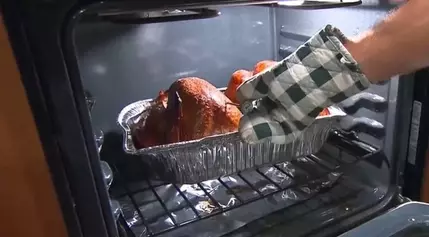
The turkey is often the centerpiece of the Thanksgiving table, and it's crucial to handle it properly to avoid foodborne illnesses. Start by thawing the turkey in the refrigerator, allowing at least 24 hours per 4 to 5 pounds. This gradual thawing helps prevent the growth of bacteria. When it comes to cooking, make sure to use a meat thermometer to ensure the internal temperature reaches 165°F (74°C) in the thickest part of the bird. This kills any potential bacteria and ensures a safe and juicy turkey. Additionally, avoid overcrowding the oven to ensure even cooking.
Another important aspect of preparing the turkey is proper brining. Brining the turkey can enhance its flavor and keep it moist during cooking. However, it's essential to follow proper brining techniques to avoid cross-contamination. Use a separate container for the brine and make sure to rinse the turkey thoroughly before cooking. This helps remove any bacteria that may have accumulated during the brining process.
Sides and Salads
Sides and salads are an essential part of any Thanksgiving meal, and they also require proper food safety measures. When preparing sides such as stuffing, mashed potatoes, or salads, make sure to keep them at the correct temperature. Keep hot dishes hot by using slow cookers or warming trays, and keep cold dishes cold by storing them in the refrigerator until ready to serve. Avoid leaving perishable foods at room temperature for too long, as this can lead to the growth of bacteria.
For salads, make sure to wash all produce thoroughly to remove any dirt or bacteria. Use separate cutting boards and utensils for raw and cooked foods to prevent cross-contamination. When dressing the salads, make sure to use fresh ingredients and store any leftovers in the refrigerator promptly.
Desserts
Desserts are the perfect way to end a Thanksgiving meal, but they also require attention to food safety. When making desserts such as pies or cakes, make sure to follow proper baking temperatures and times to ensure they are cooked through. Keep desserts at room temperature until ready to serve, and store any leftovers in the refrigerator. If you have leftovers, make sure to consume them within a few days to avoid spoilage.
It's also important to note that when serving food, use clean utensils and serving dishes to prevent the spread of bacteria. If you have any doubts about the safety of a particular food, it's best to err on the side of caution and discard it.
Copyright 2024 KWCH. All rights reserved. To report a correction or typo, please email [email protected]New