Mother of 2 looking for answers after food stamps cut off without warning
Navigating the Bureaucratic Maze: A Mother's Struggle for Food Assistance
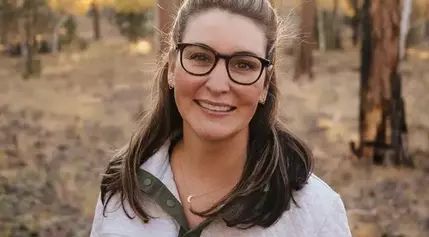
Angela Spriggs, a South Memphis mother of two, found herself in a frustrating predicament when her expected food stamp benefits failed to arrive on the scheduled date. With limited communication from the Department of Human Services and a history of delays, Spriggs now faces the daunting task of feeding her family amidst the challenges of limited transportation and access to affordable, healthy food options in her community.Empowering the Vulnerable: Ensuring Reliable Food Assistance for Struggling Families
Unexpected Disruption in Food Stamp Benefits
Angela Spriggs, a resident of South Memphis, had been relying on her food stamp benefits to provide for her two children. On July 12th, the day she was scheduled to receive her monthly allotment, Spriggs was dismayed to find that her balance had been reduced to zero, with no prior warning or communication from the Department of Human Services (DHS). This unexpected disruption in her food assistance left Spriggs feeling anxious and uncertain about how she would be able to feed her family.Spriggs expressed her frustration, stating, "I didn't get a letter, I didn't get a phone call on my appointment, and I didn't get a letter saying I was terminated." This lack of communication from the DHS only compounded the challenges Spriggs was already facing, as she had previously gone through months without access to her food stamp benefits, only to have them reinstated a mere five months ago.Navigating the Bureaucratic Maze
The situation Spriggs finds herself in is not an isolated incident, as many individuals who rely on government-provided food assistance programs often face similar obstacles. The bureaucratic processes and lack of transparency within the DHS can create a frustrating and overwhelming experience for those in need.Spriggs expressed her exasperation with the system, stating, "I'm trying to feed my kids, I'm trying to pay my bills. I don't have transportation to go to the food pantry, and the food pantry [doesn't] deliver…Get it together, get y'all some case workers that really care about their jobs and people."Her words highlight the multifaceted challenges faced by individuals like Spriggs, who not only struggle to secure reliable food assistance but also grapple with limited access to transportation and the availability of affordable, healthy food options in their communities.The Ripple Effect of Disrupted Food Assistance
The disruption in Spriggs' food stamp benefits has far-reaching implications, both for her family and the broader community. Without the reliable source of food assistance, Spriggs must now navigate the complex landscape of food pantries and other charitable organizations, often with limited transportation options and uncertain delivery services.This situation not only adds to the emotional and financial strain on Spriggs and her family but also underscores the need for a more robust and responsive social safety net. When individuals like Spriggs are unable to access the food assistance they rely on, the consequences can be far-reaching, affecting their overall well-being, financial stability, and the overall health and resilience of the community.Advocating for Systemic Change
Spriggs' story highlights the urgent need for reforms within the food assistance system to ensure that vulnerable families like hers receive the support they require in a timely and reliable manner. By amplifying the voices of individuals like Spriggs, policymakers and community leaders can work to address the systemic issues that contribute to the disruption of critical food aid programs.Through increased transparency, improved communication, and a greater emphasis on the needs of the communities they serve, the DHS and other government agencies can strive to create a more equitable and responsive system that empowers individuals like Spriggs to provide for their families with dignity and security.By addressing the challenges faced by Spriggs and others in similar situations, we can work towards a future where no family is forced to choose between paying bills and putting food on the table, and where all individuals have access to the resources they need to thrive.