Ozempic-friendly snacks are the new frontier for food companies
The Surprising Impact of Weight Loss Drugs on the Food Industry
As the popularity of weight loss medications like Ozempic and Wegovy continues to soar, the food and beverage industry is facing a significant challenge. These GLP-1 drugs, which help suppress appetite, are transforming the eating habits of millions of Americans, leading to a dramatic shift in consumer demand and forcing snack makers to rethink their strategies.Revolutionizing Eating Habits, One Bite at a Time
The Fridge Reveal: A Glimpse into the Life of a GLP-1 User
Cindy, a 43-year-old dental hygienist, is one of the roughly 12% of Americans who have turned to GLP-1 drugs to manage their weight. A peek into her refrigerator reveals a stark contrast between her pre- and post-GLP-1 lifestyle. Gone are the days of mindless snacking and indulgent cravings. Instead, her fridge is stocked with healthy proteins, cottage cheese, and Greek yogurt – the only semi-indulgent item being the remnants of a half-eaten Italian chicken sandwich from her lunch."I don't mindlessly eat anymore," Cindy explains. "If I do want something that might not be a good food, I might have a bite of cake, and that's it. I don't need more of it. I don't need another slice."The impact of GLP-1 drugs on Cindy's eating habits is profound. She no longer experiences the same level of cravings for coffee, alcohol, and other unhealthy foods. Her food budget has also been trimmed by about 0 a month, as she finds herself feeling full much more quickly and for longer periods of time.The Food Industry's Dilemma: Adapting to the New Normal
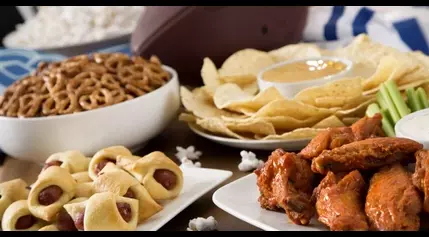
This shift in consumer behavior poses a significant challenge for the food and beverage industry. A recent Morgan Stanley analysis predicts that GLP-1 drugs will reduce the consumption of sodas, baked goods, and salty snacks by up to 3% in the next decade. Snack makers are scrambling to adapt, recognizing the need to cater to the changing preferences of GLP-1 users.Nestlé, the maker of KitKats and Häagen-Dazs, is planning to launch a GLP-1-friendly frozen-food line called Vital Pursuits, featuring protein-infused pasta and sandwiches. At the Mattson food laboratory, a team of food scientists is working on developing innovative snack concepts tailored specifically for GLP-1 users."You have to understand that a consumer who might have been able to eat a 4-ounce portion of snack is now looking for a 1½-ounce portion," explains Barb Stuckey, Mattson's chief innovation and marketing officer.The challenge lies not only in creating smaller, more satisfying portions but also in addressing the changing preferences of GLP-1 users. These individuals are no longer craving the traditional crunchy snacks like pretzels and potato chips. Instead, they're seeking out healthier alternatives that can provide the same satisfying texture, such as apples, cucumbers, and carrots.Innovative Snack Solutions: Catering to the GLP-1 Crowd
Mattson has risen to the occasion, developing a range of snack concepts specifically designed for GLP-1 users. One such creation is a freeze-dried chicken-and-tomato soup, less than half the size of a Cup Noodles, aimed at helping with the common side effect of nausea. They've also introduced powdered drink mixes infused with protein and fiber, addressing the nutritional needs of GLP-1 users.Perhaps the most intriguing innovation is the portable grilled chicken strips packaged like string cheese. This grab-and-go snack offers a high-protein alternative to traditional snacks, providing a more versatile and satisfying option for GLP-1 users."So think of a packaging like a cheese stick, but instead it's chicken, which has a higher protein content and produces a little more versatility as a grab-and-go snack," explains senior food scientist Amanda Sinrod.As the food industry navigates this new landscape, the need for innovative and GLP-1-friendly products has never been more pressing. Snack makers must be willing to think outside the box, embracing the changing preferences of their consumers and developing solutions that cater to their evolving needs.