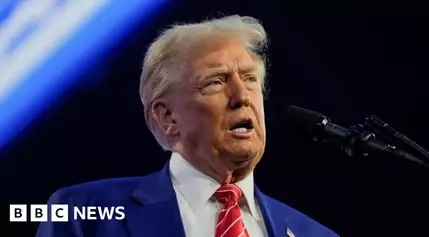
The upcoming sentencing of President-elect Donald Trump for his involvement in a hush-money case has been scheduled for January 10th, just days before his inauguration. Judge Juan Merchan has indicated that the sentence will likely involve a conditional discharge, meaning no jail time, fines, or probation. The hearing can be attended by Trump either in person or virtually. This development follows Trump's conviction on multiple felony counts related to falsified business records concerning a payment made to adult film actress Stormy Daniels. Legal experts have noted that this case could set a precedent as Trump would become the first president-elect with a felony conviction.
Judicial Proceedings and Sentencing Details
The court has determined that President-elect Trump will face sentencing on January 10th, just ten days before he is due to take office. Judge Merchan has suggested that the sentence will likely result in a conditional discharge, which means the case will be closed without imposing any penalties such as imprisonment, fines, or probation. Trump has the option to attend the hearing either in person or through virtual means. This arrangement aims to minimize disruption during his transition into the presidency.
The case revolves around Trump's conviction on 34 felony counts for falsifying business records linked to a 0,000 payment to Stormy Daniels. Initially, Trump’s legal team argued that the charges violated presidential immunity, but this argument was dismissed by the Supreme Court. In July, the highest court ruled that presidents enjoy broad immunity from criminal prosecution for official actions while in office. However, Justice Merchan upheld the conviction, stating it did not fall under this immunity. The original sentencing date of November 26th was postponed following Trump's electoral victory. This decision reflects the judiciary's attempt to balance legal proceedings with the practicalities of transitioning power.
Impact on Presidency and Legal Precedent
This case has significant implications for Trump's presidency, as he will enter office with a felony conviction, marking an unprecedented situation in U.S. history. Legal analysts predict that this unique circumstance may pose challenges for Trump's ability to govern effectively, especially if the case continues to attract public and media attention. Despite these concerns, Judge Merchan's approach seems to prioritize minimizing disruptions during the early days of Trump's administration.
The defense had previously argued that the ongoing legal proceedings could overshadow Trump's presidency and hinder his governance. They proposed various measures to address these concerns without overturning the jury's verdict. The Supreme Court's ruling in July clarified that presidents are immune from criminal prosecution for official actions taken while in office, but this case involves personal conduct outside those parameters. Justice Merchan's decision to uphold the conviction underscores the principle that even elected officials must adhere to legal standards. As Trump prepares to assume the presidency, the looming presence of this case will undoubtedly influence both public perception and his administration's priorities.
New